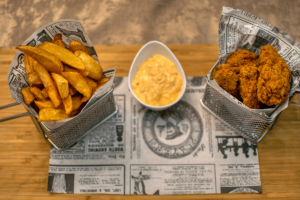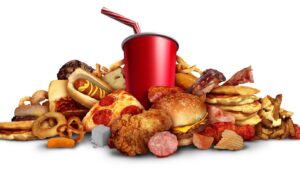
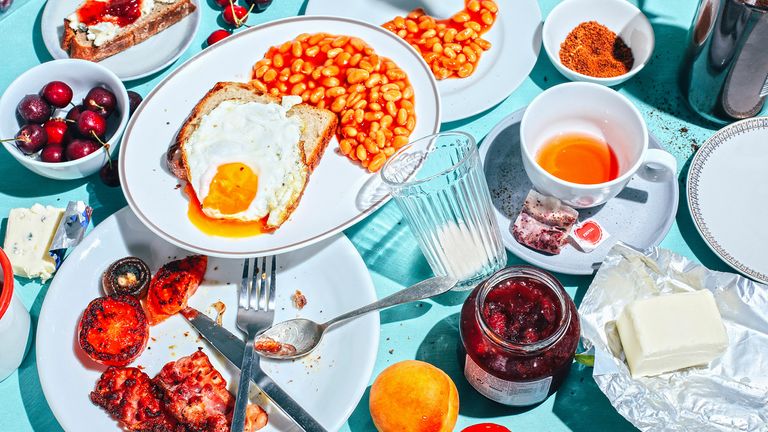
 Processed meats (bacon, deli meats, sausages, hot dogs) Fast food & restaurant meals Canned soups & broths Packaged snacks (chips, pretzels, crackers) Frozen meals & pizza Instant noodles & packaged pasta meals Pickles, olives, and other brined foods Cheese & processed dairy products Salty condiments (soy sauce, ketchup, salad dressings)
Consuming too much salt pulls water into the bloodstream, increasing blood volume and pressure on artery walls. Over time, this forces the heart to work harder, raising the risk of hypertension, heart attack, and stroke.
 Research-backed Fact:
A study published in The New England Journal of Medicine found that reducing daily sodium intake by 1,000 mg significantly lowers blood pressure and reduces heart disease risk (1).
Excess sodium causes water retention, leading to swelling in the hands, feet, and ankles. This can be especially problematic for individuals with heart failure or kidney disease.
Research-backed Fact:
A study in Circulation found that people with high sodium intake had a 40% higher risk of developing congestive heart failure compared to those with lower sodium intake (2).
High sodium intake contributes to arterial stiffness, increasing the likelihood of blood clots, heart attacks, and strokes.
Research-backed Fact:
A Harvard T.H. Chan School of Public Health study found that people who consume more than 2,300 mg of sodium per day have a greater risk of premature heart disease and stroke (3).
Too much salt can trigger inflammation in blood vessels, making them less flexible and increasing the risk of atherosclerosis (artery narrowing due to plaque buildup).
Research-backed Fact:
A study published in The BMJ found that high sodium diets contribute to chronic inflammation, which is a leading cause of heart disease, diabetes, and kidney damage (4).
 Choose fresh, unprocessed poultry, fish, or lean beef. Opt for low-sodium canned tuna or salmon instead of processed deli meats. Use herbs, garlic, or citrus juice for flavor instead of salty seasonings.
Make homemade soups with fresh ingredients and control the salt content. Choose “low-sodium” or “no salt added” broth options. Flavor soups with fresh herbs and spices instead of table salt.
Snack on unsalted nuts, air-popped popcorn, or fresh fruits and veggies. Look for “low-sodium” or “no salt added” labels when buying packaged snacks. Make homemade trail mix with unsalted nuts, seeds, and dried fruit.
Use balsamic vinegar or fresh lemon juice instead of high-sodium dressings. Choose coconut aminos instead of soy sauce for a lower-sodium option. Try making homemade salsa instead of store-bought versions.
Cook at home using fresh ingredients to avoid hidden sodium. Use fresh or frozen vegetables instead of canned versions (or rinse canned veggies before use). Flavor meals with spices like garlic, basil, rosemary, and turmeric instead of salt.
TAKEAWAY
Excessive sodium intake is a major contributor to high blood pressure, stroke, and heart disease. However, reducing sodium in your diet doesn’t have to mean bland food!
By making simple swaps and reading food labels, you can significantly lower your sodium intake and protect your heart.
Key Takeaways:
 Limit processed and fast foods, which are the biggest sources of hidden sodium. Choose fresh, whole foods whenever possible. Flavor foods with herbs and spices instead of salt. Read nutrition labels and opt for low-sodium options. Small dietary changes can lead to significant long-term heart benefits!
By making these changes today, you’re investing in a stronger, healthier heart for the future.