
Whole grains have been a staple of the human diet for thousands of years. However, with the rise of processed foods, many people consume refined grains instead, missing out on the powerful health benefits of whole grains.
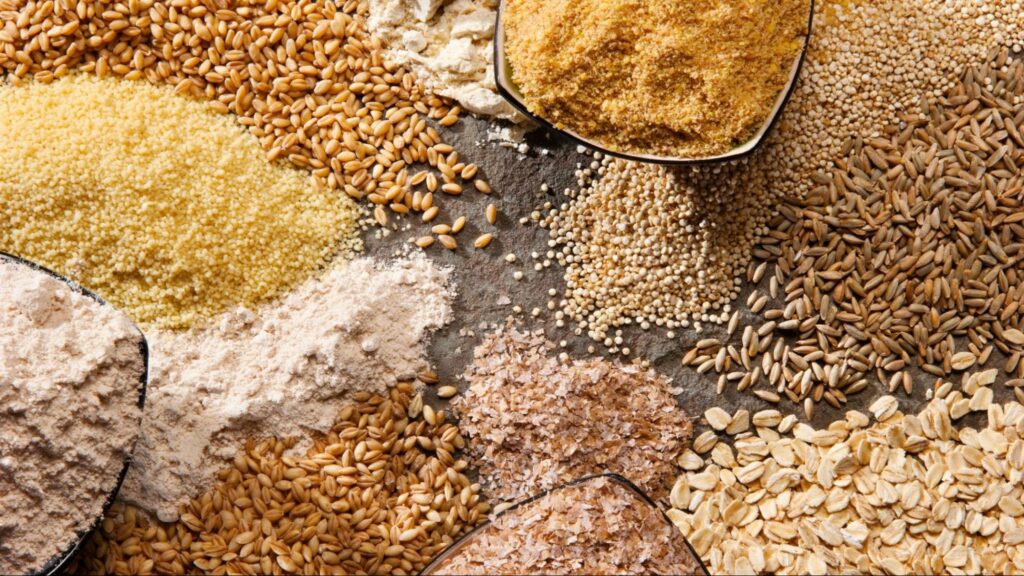
Unlike refined grains, whole grains retain their fiber, vitamins, minerals, and antioxidants, making them a key component of a heart-healthy diet. Studies show that consuming whole grains is associated with a reduced risk of heart disease, stroke, high blood pressure, and other chronic illnesses (1).
If you’ve taken our Heart-Healthy Diet Assessment Quiz, you’re already taking the first step in improving your cardiovascular health. One of the easiest dietary changes you can make is replacing refined grains with whole grains. In this article, we’ll explore why whole grains are essential for heart health, their additional health benefits, and practical ways to incorporate them into your daily meals.
What Are Whole Grains?
Grains are the seeds of grass-like plants called cereals, and whole grains retain all three parts of the grain kernel:
- Bran: The outer shell, rich in fiber, antioxidants, and B vitamins.
- Endosperm: The middle layer, mostly carbohydrates, providing energy.
- Germ: The inner layer, packed with vitamins, minerals, and healthy plant compounds.
Refined grains, such as white rice and white bread, have had the bran and germ removed, stripping them of many nutrients. Whole grains retain these vital components, making them far more beneficial for your heart and overall health (2).
Examples of Whole Grains
Whole grains come in many varieties, including:
- Traditional Whole Grains: Whole wheat, oats, brown rice, barley, and rye.
- Ancient Grains: Quinoa, farro, bulgur, millet, sorghum, amaranth, teff, and spelt.
- Whole Grain Products: Whole grain pasta, whole grain bread, and whole grain cold cereals.
1. Whole Grains Lower the Risk of Heart Disease
Heart disease remains the leading cause of death worldwide, but research shows that whole grains can significantly reduce your risk.
✅ A large review of 10 studies found that consuming at least three servings of whole grains daily was associated with a 22% lower risk of heart disease (3).
✅ Another 10-year study in over 17,000 adults found that people who consumed more whole grains relative to their total carbohydrate intake had a 47% lower risk of heart disease (4).
Why?
Whole grains help lower LDL (bad) cholesterol, reduce arterial inflammation, and improve blood vessel function, all of which are critical for preventing heart disease.
👉 Best Whole Grains for Heart Health: Oats, quinoa, barley, brown rice, whole wheat.
2. Whole Grains Help Lower Blood Pressure
Hypertension (high blood pressure) is a major risk factor for heart disease and stroke. Whole grains naturally help lower blood pressure by:
✅ Providing potassium and magnesium, which relax blood vessels.
✅ Increasing fiber intake, which improves circulation.
✅ Reducing insulin resistance, which contributes to high blood pressure (5).
A study published in Harvard Health Publishing found that people who eat three or more servings of whole grains daily have better long-term blood pressure control (6).
👉 Best Whole Grains for Blood Pressure: Brown rice, quinoa, barley, millet.
3. Whole Grains Help Lower LDL (Bad) Cholesterol
One of the biggest benefits of whole grains is their ability to reduce LDL cholesterol, which is a major contributor to heart disease.
✅ Oats, barley, and rye contain soluble fiber, which binds to cholesterol in the digestive system and removes it before it enters the bloodstream (7).
✅ Studies show that eating just one serving of oatmeal daily can lower LDL cholesterol by 5-10% (8).
👉 Best Whole Grains for Cholesterol: Oats, barley, rye, whole grain bread.
4. Whole Grains Reduce the Risk of Stroke
Whole grains are packed with fiber, vitamin K, and antioxidants, all of which support healthy circulation and prevent stroke.
✅ A review of six studies involving nearly 250,000 people found that those who ate the most whole grains had a 14% lower risk of stroke (9).
✅ The DASH and Mediterranean diets, both of which are known for their heart-protective effects, emphasize whole grains as a key component.
👉 Best Whole Grains for Stroke Prevention: Buckwheat, spelt, wild rice, bulgur.
5. Whole Grains Help Control Blood Sugar & Reduce Diabetes Risk
Diabetes and heart disease are closely linked. Eating whole grains instead of refined grains can:
✅ Stabilize blood sugar levels and prevent spikes.
✅ Improve insulin sensitivity, reducing diabetes risk.
✅ Lower fasting blood sugar, according to studies (10).
A major review concluded that replacing refined grains with whole grains and eating at least two servings per day lowers the risk of type 2 diabetes (11).
👉 Best Whole Grains for Blood Sugar Control: Quinoa, millet, buckwheat, amaranth.
How to Incorporate More Whole Grains Into Your Diet
Adding more whole grains to your meals is easy. Here are some simple swaps and ideas:
✅ Swap white rice for brown rice, quinoa, or farro.
✅ Choose whole grain pasta and bread instead of refined versions.
✅ Start your day with oatmeal instead of sugary cereals.
✅ Use bulgur or barley in soups and salads instead of white rice.
✅ Snack on air-popped popcorn instead of chips.
Tip: When shopping for whole-grain products, read the ingredient list carefully. Look for labels that say “100% whole grain” rather than products that mix whole and refined grains.
TAKEAWAY
Whole grains are one of the most powerful foods for heart health. They lower cholesterol, improve blood pressure, reduce inflammation, and support overall cardiovascular function. By replacing refined grains with whole grains, you’re making a simple but impactful change that can protect your heart for years to come.
Sources
(1) Mayo Clinic – Whole Grains and Heart Health
(2) American Heart Association – Whole Grains, Refined Grains, and Dietary Fiber
(3) PubMed – Whole Grains & Heart Disease Risk
(4) Harvard Health Publishing – Eating More Whole Grains & Lower Heart-Related Risks
(5) Healthline – 9 Health Benefits of Whole Grains