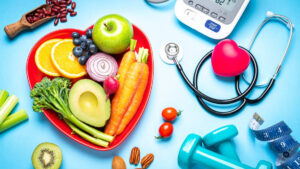
Incorporating nuts and seeds into your diet can significantly enhance heart health. These nutrient-dense foods are rich in healthy fats, fiber, protein, and essential micronutrients, all of which contribute to cardiovascular well-being.
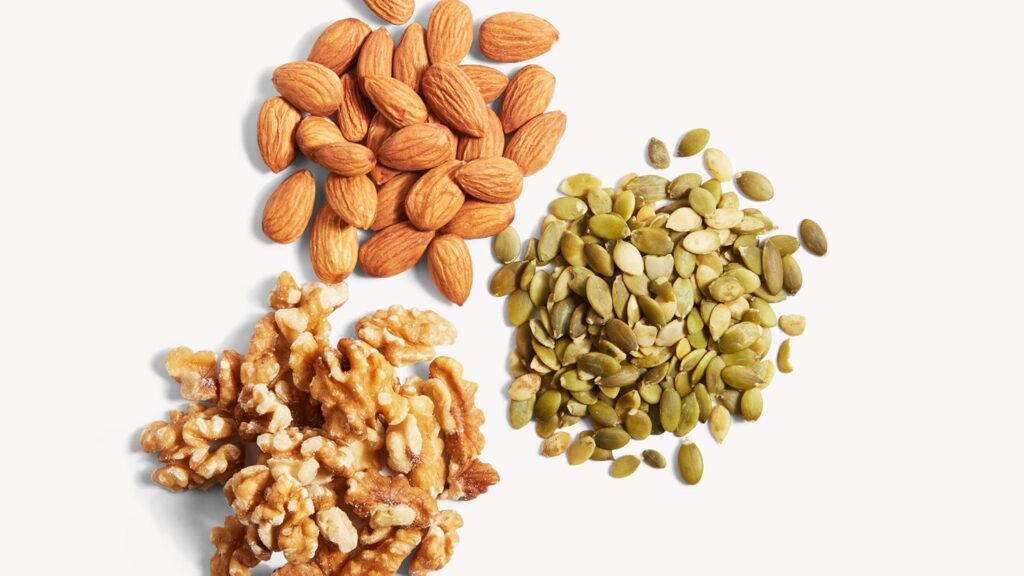
What Are Nuts and Seeds?
Nuts are edible kernels encased in hard shells, while seeds are embryonic plants enclosed in protective outer coverings. Both are packed with nutrients necessary for plant growth, making them valuable additions to the human diet. Common examples include almonds, walnuts, flaxseeds, and chia seeds.
Heart-Healthy Benefits of Nuts and Seeds
Reduction in Coronary Heart Disease Risk
Regular consumption of nuts and seeds has been linked to a decreased risk of coronary heart disease. Studies suggest that an intake of around 15 grams per day can lower this risk by approximately 20% compared to minimal or no intake.
Lowering LDL Cholesterol Levels
Nuts and seeds are high in unsaturated fats, which help reduce low-density lipoprotein (LDL) cholesterol—often referred to as “bad” cholesterol. Lower LDL levels are associated with a reduced risk of heart disease.
Anti-Inflammatory Properties
Many nuts and seeds contain omega-3 fatty acids and antioxidants that possess anti-inflammatory effects, contributing to overall heart health.
Top Heart-Healthy Nuts and Seeds
Walnuts: Rich in omega-3 fatty acids, walnuts have been shown to improve heart health by reducing inflammation and lowering blood pressure.
Almonds: High in essential nutrients, regular almond consumption may boost heart and gut health.
Flaxseeds and Chia Seeds: Excellent sources of plant-based omega-3 fatty acids, these seeds support cardiovascular health.
Incorporating Nuts and Seeds into Your Diet
Snacking: Opt for a small handful of unsalted nuts or seeds as a satisfying and heart-healthy snack.
Cooking: Add chopped nuts to salads, yogurt, or oatmeal for added texture and nutrition.
Baking: Include ground flaxseeds or chia seeds in baked goods to boost their nutrient content.
TAKEAWAY
Integrating a variety of nuts and seeds into your daily diet can play a pivotal role in maintaining heart health.
Aim for a small handful (about 15-30 grams) most days of the week to reap the cardiovascular benefits.
Remember to choose unsalted and unroasted varieties to maximize health benefits.
References
Heart Foundation NZ. “Nuts and seeds for heart health.” https://www.heartfoundation.org.nz/wellbeing/healthy-eating/nutrition-facts/nuts-and-seeds-for-heart-health
Harvard T.H. Chan School of Public Health. “Nuts for the Heart.” https://nutritionsource.hsph.harvard.edu/nuts-for-the-heart/
Heart Foundation NZ. “Benefits of eating nuts and seeds for heart health.” https://www.heartfoundation.org.nz/about-us/news/media-releases/handful-of-nuts-and-seeds-pack-a-punch-for-heart-health
Harvard Health. “Quick-start guide to nuts and seeds.” https://www.health.harvard.edu/nutrition/quick-start-guide-to-nuts-and-seeds
EatingWell. “The Best Nut to Support Your Heart Health, According to a Dietitian.” https://www.eatingwell.com/best-nut-for-heart-health-8604884