This article explores the connection between hypertension and diet, highlighting how a heart-healthy eating plan can help prevent and manage high blood pressure for better overall cardiovascular health.

Understanding Hypertension
Hypertension, commonly known as high blood pressure, is a condition that affects millions worldwide and is a leading risk factor for heart disease and stroke. Often referred to as the “silent killer,” hypertension typically develops without noticeable symptoms, making regular monitoring essential.
Blood pressure is measured in two numbers: systolic (pressure during heartbeats) and diastolic (pressure between heartbeats). A normal blood pressure reading is below 120/80 mm Hg. Elevated readings, such as 130/80 mm Hg or higher, indicate hypertension. Over time, this increased pressure can damage arteries and vital organs like the heart, brain, and kidneys.
According to the Centers for Disease Control and Prevention (CDC), nearly half of adults in the United States have hypertension, yet only about 24% have it under control. The condition is a significant contributor to heart disease, which remains the leading cause of death globally.
The Role of Diet in Managing Hypertension
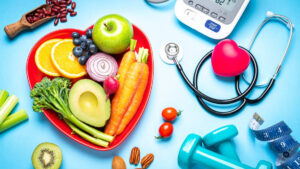
Diet plays a pivotal role in both preventing and managing hypertension. A heart-healthy diet can significantly reduce blood pressure and lower the risk of complications. Key dietary components include:
Reducing Sodium Intake: Excessive sodium increases blood pressure by causing the body to retain water, adding pressure on blood vessels. The American Heart Association recommends limiting sodium intake to less than 2,300 milligrams per day, with an ideal limit of 1,500 milligrams for most adults. Opt for fresh, unprocessed foods and use herbs and spices as salt substitutes.
Increasing Potassium-Rich Foods: Potassium helps balance sodium levels and relax blood vessels. Foods like bananas, oranges, spinach, sweet potatoes, and beans are excellent sources.
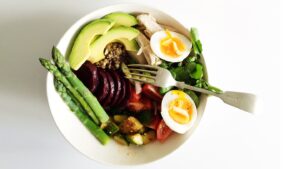
Adopting the DASH Diet: The Dietary Approaches to Stop Hypertension (DASH) diet emphasizes fruits, vegetables, whole grains, lean proteins, and low-fat dairy. It’s been proven to lower blood pressure and improve overall heart health.
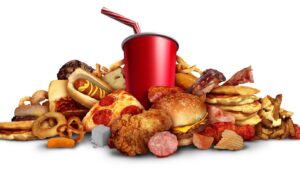
Limiting Saturated and Trans Fats: High intake of unhealthy fats can lead to plaque buildup in arteries, increasing the risk of hypertension. Focus on healthy fats from sources like olive oil, avocados, nuts, and fatty fish.
Moderating Alcohol Consumption: Excessive alcohol can raise blood pressure. Men should limit intake to two drinks per day, and women to one drink per day.
The Connection Between Diet and a Healthy Heart
Hypertension puts extra strain on the heart and blood vessels, leading to complications such as heart attack, stroke, and heart failure. A heart-healthy diet not only reduces blood pressure but also minimizes inflammation and improves cholesterol levels, both critical for maintaining cardiovascular health.
Lifestyle Changes Beyond Diet
While diet is crucial, other lifestyle changes can enhance its effects:
Regular Physical Activity: Aim for at least 150 minutes of moderate exercise per week, such as brisk walking, swimming, or cycling.
Stress Management: Chronic stress can elevate blood pressure. Practice relaxation techniques like meditation, yoga, or deep breathing.
Quitting Smoking: Smoking damages blood vessels and increases blood pressure, compounding the risk of heart disease.
Maintaining a Healthy Weight: Even modest weight loss can lead to significant reductions in blood pressure.
TAKE AWAY
Hypertension is a manageable condition, but early detection and proactive measures are key.
A heart-healthy diet, combined with lifestyle changes, can prevent or control high blood pressure, reducing the risk of severe complications. Regular check-ups and blood pressure monitoring are essential to stay informed about your health.
If you suspect you have high blood pressure or want to make dietary changes for a healthier heart, consult a healthcare provider or dietitian for personalized advice.
Sources:
- Centers for Disease Control and Prevention (CDC): Hypertension Facts
- American Heart Association: Understanding Blood Pressure Readings
- National Heart, Lung, and Blood Institute (NHLBI): DASH Diet