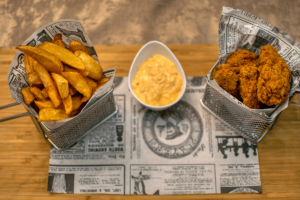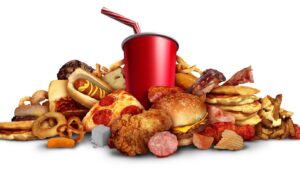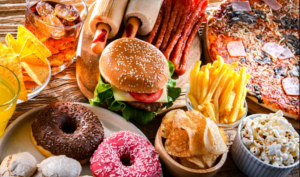
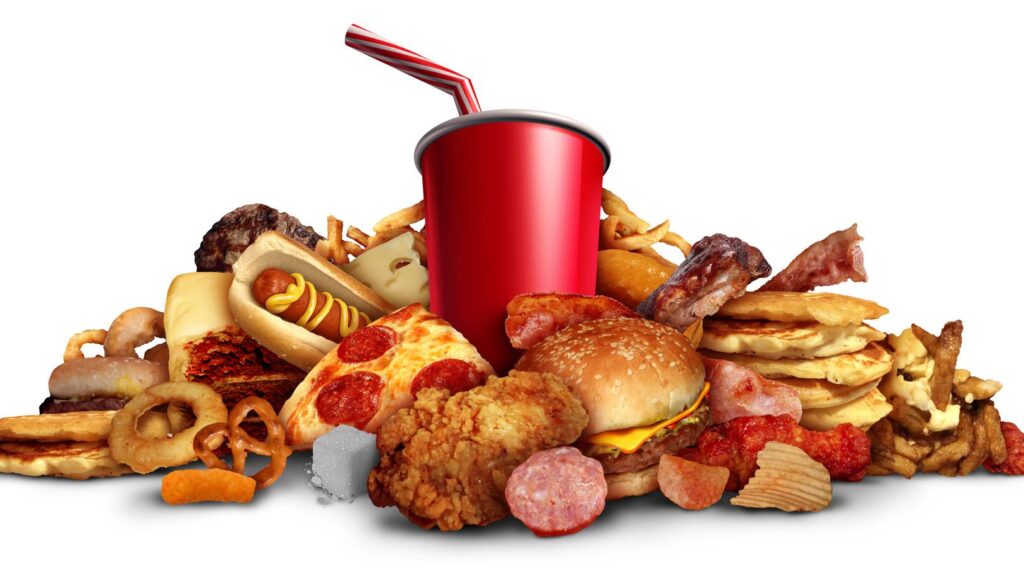
 Sugary beverages (sodas, energy drinks, flavored coffee) Fast food and frozen meals (burgers, fries, pizza) Packaged snacks (chips, pretzels, crackers) Processed meats (hot dogs, bacon, deli meats) Refined grains and baked goods (white bread, pastries, doughnuts) Instant noodles and boxed pasta meals Sugary cereals and flavored yogurts
Many processed foods contain excess sodium, which raises blood pressure and increases the risk of hypertension, stroke, and heart disease. Sodium is often added to preserve foods, enhance flavor, and extend shelf life, making it difficult for consumers to gauge how much they are eating.
 Research-backed Fact:
A study published in The New England Journal of Medicine found that reducing sodium intake by just 1,000 mg per day can significantly lower blood pressure and reduce heart disease risk (1).
Many processed foods—especially packaged snacks, sugary drinks, and cereals—are high in added sugars, which contribute to weight gain, insulin resistance, and an increased risk of type 2 diabetes. Over time, high sugar intake can damage blood vessels and the heart.
Research-backed Fact:
A study in JAMA Internal Medicine found that people who consumed more than 10% of their daily calories from added sugar had a 38% higher risk of dying from heart disease compared to those who kept sugar intake low (2).
Processed foods often contain trans fats and refined vegetable oils, which raise LDL (bad) cholesterol and lower HDL (good) cholesterol. These fats contribute to arterial plaque buildup, increasing the risk of heart attacks and strokes.
Research-backed Fact:
A meta-analysis in The BMJ concluded that higher trans fat intake is associated with a 34% increase in heart disease-related deaths (3).
Processed foods are typically low in fiber, vitamins, and minerals but high in calories, leading to overeating and weight gain. The lack of fiber in processed foods means they do not keep you full for long, leading to frequent hunger and cravings.
Research-backed Fact:
A study in Cell Metabolism found that people eating a highly processed diet consumed 500 more calories per day than those eating a whole-food diet, leading to weight gain and increased heart disease risk (4).
 Instead of Chips & Pretzels: Eat raw nuts, seeds, or homemade trail mix Instead of Sugary Granola Bars: Try unsweetened dried fruit with almonds Instead of Store-Bought Popcorn: Make air-popped popcorn with olive oil
Instead of Fast-Food Burgers & Fries: Make a grilled chicken sandwich with avocado and whole-grain bread Instead of Frozen Pizza: Prepare a homemade pizza with whole-grain crust, fresh veggies, and lean protein Instead of Packaged Mac & Cheese: Try whole-grain pasta with olive oil, garlic, and Parmesan cheese
Instead of Deli Meats & Bacon: Eat grilled chicken, turkey, or plant-based proteins like beans and lentils Instead of Hot Dogs & Sausages: Try homemade turkey burgers or fish Instead of Fried Chicken: Bake or air-fry chicken for a crispy, healthier option
Instead of Soda: Drink sparkling water with fresh lemon or lime Instead of Energy Drinks: Have black coffee or green tea for a natural energy boost Instead of Sugary Juice: Opt for unsweetened fruit-infused water
TAKEAWAY
Highly processed foods are among the leading contributors to heart disease, obesity, diabetes, and high blood pressure. While they are convenient, their high sodium, added sugar, and unhealthy fats make them harmful for long-term heart health.
Key Takeaways: Minimize processed foods like packaged snacks, fast food, and sugary drinks Choose whole, unprocessed foods whenever possible Read ingredient labels to avoid added sugars, sodium, and trans fats Small dietary changes can lead to big improvements in heart health
By making simple, intentional food swaps, you can reduce your risk of heart disease and feel healthier every day.