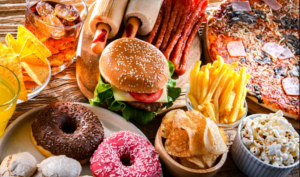

 Fried fast foods (French fries, fried chicken, doughnuts) Packaged snacks (chips, microwave popcorn, crackers) Baked goods (cakes, cookies, pastries, margarine) Processed and frozen foods (pizza, frozen dinners) Non-dairy coffee creamers and stick margarine
Trans fats increase low-density lipoprotein (LDL) cholesterol, which contributes to plaque buildup in the arteries. At the same time, they lower high-density lipoprotein (HDL) cholesterol, which is responsible for removing bad cholesterol from the bloodstream. This double negative effect makes trans fats one of the most dangerous dietary components for heart health.
 Research-backed Fact:
A study published in The New England Journal of Medicine found that consuming trans fats increases the risk of coronary heart disease by 23% for every 2% increase in daily calories from trans fats (1).
Trans fats contribute to chronic inflammation, which plays a key role in the development of heart disease, stroke, and other chronic conditions. Inflammation in blood vessels leads to stiffer arteries, increased blood pressure, and a higher risk of cardiovascular events.
Research-backed Fact:
A study in The BMJ found that people who consume high levels of trans fats have a 34% higher risk of death from heart disease compared to those who consume minimal amounts (2).
Diets high in trans fats have been linked to poor insulin sensitivity, which increases the risk of type 2 diabetes. High blood sugar levels over time can lead to cardiovascular complications.
Research-backed Fact:
A meta-analysis published in Diabetes Care found that increased trans fat consumption is associated with a 40% higher risk of developing type 2 diabetes (3).
 Olive oil: Rich in monounsaturated fats and antioxidants Avocado oil: High smoke point, great for cooking Coconut oil (in moderation): Contains natural saturated fats but no trans fats
Instead of Chips: Try unsalted nuts, roasted chickpeas, or homemade popcorn Instead of Store-Bought Cookies: Opt for homemade oatmeal cookies or fresh fruit
Instead of Fast Food Burgers & Fries: Prepare homemade meals with fresh ingredients Instead of Frozen Pizzas: Make a whole-grain pizza with fresh toppings
TAKEAWAY
Trans fats are among the most harmful dietary components for heart health, contributing to high cholesterol, inflammation, and increased heart disease risk. The good news is that awareness and food regulations have helped reduce trans fat consumption, but vigilance is still required.
 Check food labels for “partially hydrogenated oils”—avoid these products Cook at home using natural fats like olive oil and avocado oil Choose whole, unprocessed foods over packaged and fried meals Even small reductions in trans fat intake can significantly lower heart disease risk
By making simple, intentional swaps, you can protect your heart and improve your overall health for the long term.